In busy warehouses, distribution centres, and manufacturing facilities, safety barriers are essential for protecting people, equipment, and infrastructure. They serve as a first line of defence against forklift impacts, pallet jacks, and other machinery moving around high-traffic areas. But not all barriers are created equal. At Industrial Safety Barriers, we often hear the same question: “Why should we choose DEFLEX barriers instead of traditional steel?“
The answer lies in the way the two materials handle impact, their long-term durability, and the hidden costs of ownership.
The Limitations of Steel Barriers
Steel barriers have been the traditional choice for decades. They are strong, heavy-duty, and widely available. However, when it comes to warehouse safety and impact protection, they come with significant drawbacks:
- Rigid and Unforgiving – When a forklift or vehicle collides with a steel barrier, the impact force doesn’t disappear. Instead, it transfers to the barrier itself, the concrete floor it’s bolted into, or the vehicle. This can cause serious damage and unsafe conditions.
- Susceptible to Damage – Steel bends, dents, and chips easily on impact. Once bent, it often cannot return to its original form, leaving facilities with unsightly and weakened barriers.
- Corrosion and Maintenance Costs – Steel barriers can rust and corrode, particularly in food production or pharmaceutical facilities where strict hygiene requirements demand constant cleaning. Repainting and replacement costs add up over time.
- Downtime and Disruption – Every time a steel barrier is damaged, it may need to be repaired or replaced, creating downtime that slows operations and increases costs.
In short, while steel barriers may appear cost-effective at first glance, their long-term costs and limitations in workplace safety make them less suitable for modern, high-traffic industrial environments.

Why DEFLEX Barriers Are Different
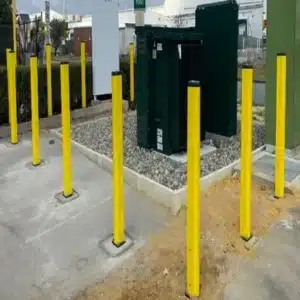
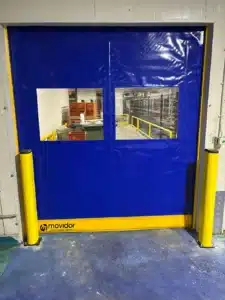
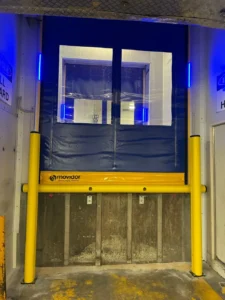
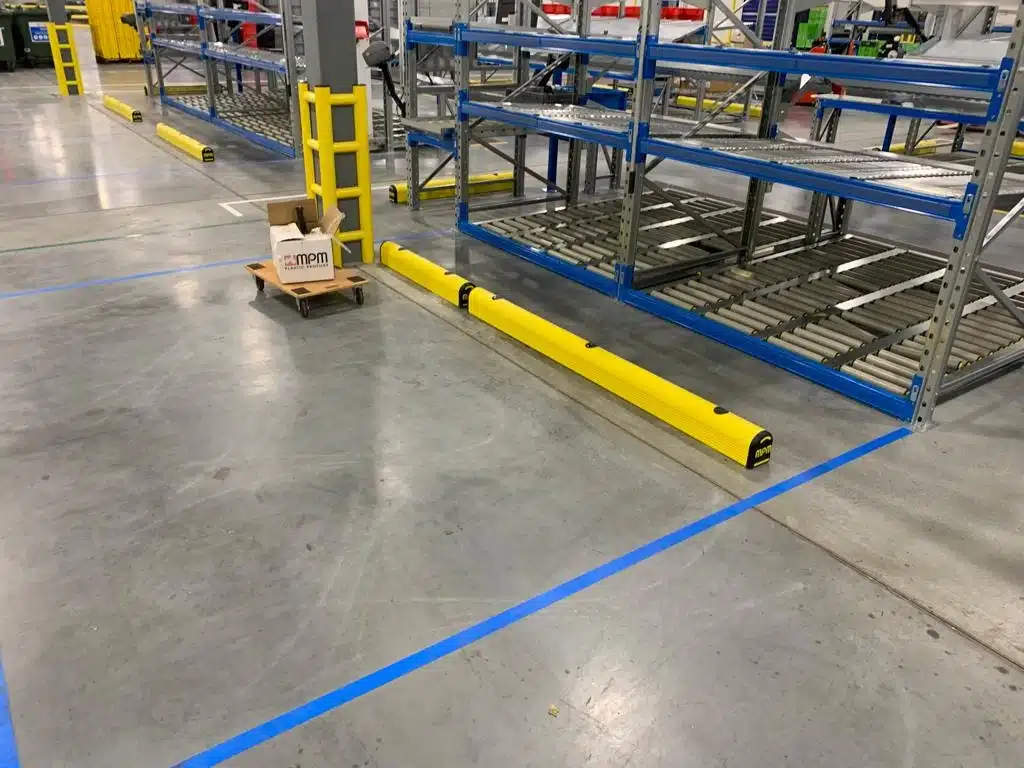
DEFLEX barriers, supplied and installed by Industrial Safety Barriers, are designed to solve the problems steel can’t. Made from advanced polymer, DEFLEX uses flexibility and impact absorption to keep facilities safer and more efficient.
- Impact Absorption – Instead of transferring the collision energy to the floor, vehicle, or infrastructure, DEFLEX barriers flex and absorb the impact. This dramatically reduces damage to property and equipment while also lowering the risk of injury.
- Returns to Shape – After impact, DEFLEX barriers bounce back to their original form, unlike steel that remains bent. This means less downtime, no emergency repairs, and a barrier that continues to perform.
- Durability – Polymer barriers will not chip, rust, or corrode, making them ideal for industries like food manufacturing, cold storage, and pharmaceuticals where hygiene and cleanliness are critical.
- Cost-Effective Over Time – With fewer repairs, no repainting, and less downtime, DEFLEX barriers provide a lower total cost of ownership compared to steel.
- Safer for Operators – Because DEFLEX reduces the shock transferred to forklifts and other equipment, operators also benefit from a safer working environment.

The True Cost of Barrier Choice
When choosing between DEFLEX vs steel barriers, the decision is about more than just the upfront purchase price. Businesses must consider:
- Safety of staff – A safer workplace means fewer accidents and less risk of injury.
- Operational efficiency – Less downtime from barrier damage means smoother workflows.
- Long-term investment – Barriers that don’t rust, bend, or need constant replacement save significant money over time.
DEFLEX barriers are specifically engineered to provide maximum impact protection while maintaining durability and reliability in even the toughest industrial environments.
Conclusion
In the fast-paced world of warehousing, logistics, and manufacturing, safety and efficiency go hand in hand. Steel barriers may be the traditional choice, but their limitations often lead to higher costs, increased downtime, and reduced safety.
DEFLEX barriers, on the other hand, offer flexibility, durability, and superior impact protection. They bounce back after impact, resist rust and corrosion, and keep your workplace running safely and efficiently.
At Industrial Safety Barriers, we’re proud to supply and install DEFLEX across industries where safety and reliability are non-negotiable. By choosing DEFLEX, you’re not just protecting your racking and equipment – you’re investing in a safer, smarter, and more cost-effective future.
👉 Contact Industrial Safety Barriers today to learn more about how DEFLEX barriers can protect your workplace.
Call 1300 455 101 E [email protected]
#WorkplaceSafety #ImpactProtection #WarehouseSafety #ForkliftSafety #DEFLEX #IndustrialSafetyBarriers